

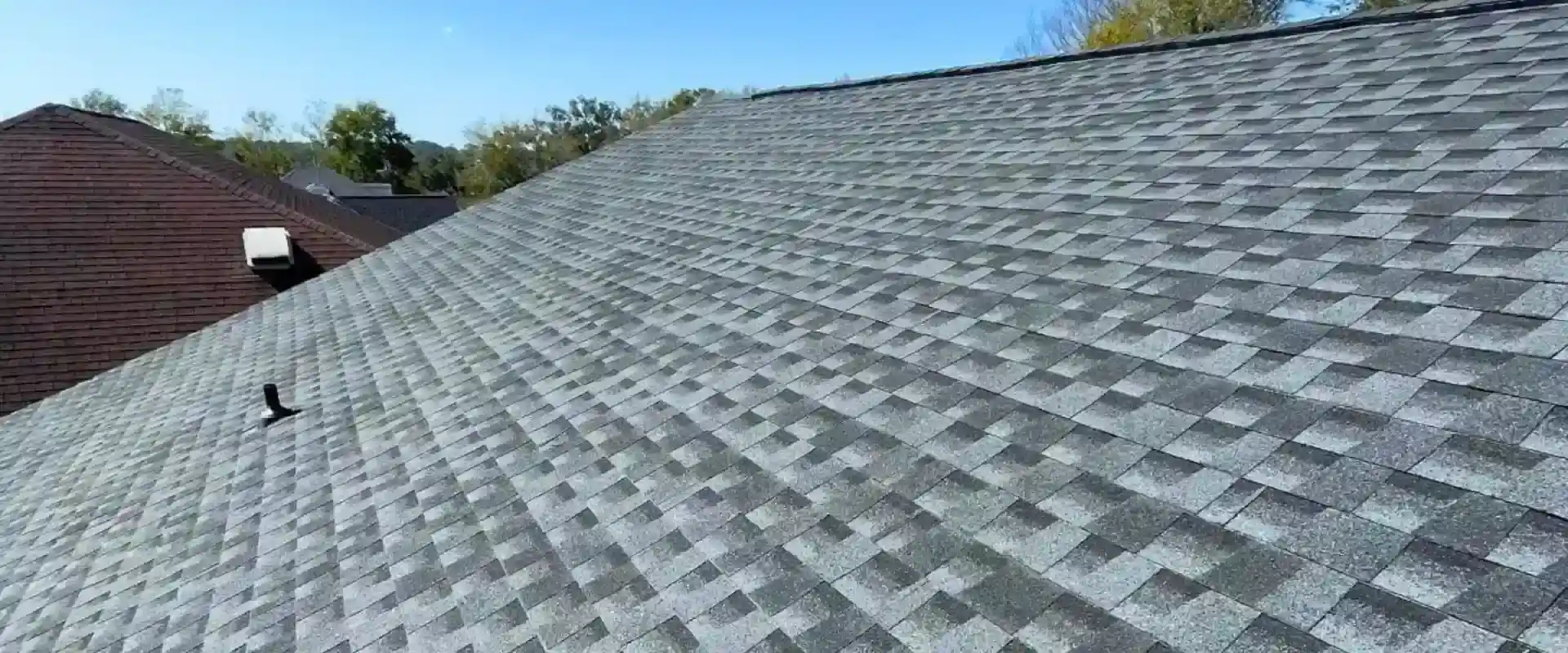
A storm damaged roof can quickly turn into a serious problem if it is not addressed properly. High winds, heavy rain, and hail can weaken roofing materials and create hidden issues that worsen over time. Knowing what to do after a storm helps protect your home and prevents additional damage.
Safely Assessing Roof Damage
After severe weather passes, safety should always come first. Avoid climbing onto the roof yourself, especially if surfaces are wet or structural damage is possible. Instead, start by inspecting your property from the ground.
Look for common signs of roof damage after a storm, including:
- Missing or lifted shingles
- Fallen branches or debris on the roof
- Bent flashing or damaged gutters
- Water stains inside the home
- Pieces of roofing material in the yard
Even if damage appears minor, hidden problems may still exist beneath the surface.
When to Call a Roofing Contractor
If you notice visible damage or signs of leaking, contacting a professional roofing contractor, like CQ Roofing, should be your next step. Storm damage can compromise the integrity of your roof and allow water intrusion that leads to mold, wood rot, or structural issues.
A professional inspection helps determine:
- The extent of the damage
- Whether emergency roof repair is needed
- If repair or replacement is the best option
- What documentation may be needed for insurance claims
Prompt inspections also help prevent additional deterioration after the storm.
Temporary Protection Steps
If your roof has active leaks or exposed areas, temporary protection measures may be necessary until repairs can be completed. Roofing contractors often use emergency tarping to keep water out and minimize interior damage.
Homeowners can also:
- Move valuables away from leaks
- Place buckets or towels under dripping areas
- Take photos of visible damage inside and outside the home
Quick action can help reduce repair costs and support insurance documentation.
Understanding the Insurance Claim Process
After storm damage occurs, many homeowners file insurance claims to help cover repairs or replacement costs. The process typically begins with documenting the damage and scheduling an inspection.
A roofing contractor can often help by:
- Providing a professional damage assessment
- Identifying storm related issues
- Supplying documentation for the insurance company
- Answering questions during the claim process
Keeping records, photos, and inspection reports organized helps streamline communication with your insurance provider.
Why Fast Action Matters After a Storm
Delaying repairs after storm damage can lead to bigger problems over time. Water intrusion, weakened materials, and structural issues often worsen if left untreated. Addressing problems early helps protect your home and may reduce long term costs.
At CQ Roofing, we help Crestview homeowners respond quickly after severe weather with honest inspections, emergency roof repair solutions, and professional guidance throughout the process. If you suspect storm damage, contact CQ Roofing today to schedule an inspection.

